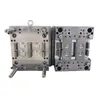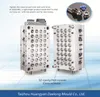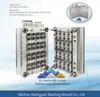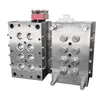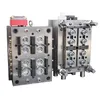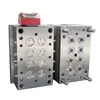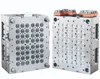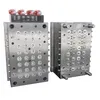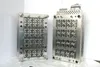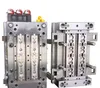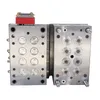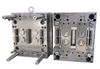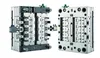
Injection mold
Precision Injection Molding Solutions for Your Manufacturing Needs
Injection mold technology has revolutionized modern manufacturing, offering unmatched precision, efficiency and cost-effectiveness for producing high-quality plastic parts. Our comprehensive injection molding services cater to diverse industries including automotive, medical, consumer electronics and more.
Key Product Specifications
- Mold Base: Premium steel (P20, 718, NAK80, S136)
- Max Mold Size: 1000mm × 800mm × 500mm
- Cycle Time: 15-120 seconds (depending on part complexity)
- Surface Finish: SPI-A1 to D3 standards available
- Tolerance: ±0.005mm to ±0.05mm
- Runner System: Hot runner or cold runner options
Material Compatibility
| Material Type | Examples | Recommended Applications |
|---|---|---|
| Thermoplastics | ABS, PC, PP, PE, Nylon | Consumer products, automotive parts |
| Engineering Plastics | POM, PBT, PPS, PEEK | Industrial components, medical devices |
| Thermosets | Phenolic, Epoxy, DAP | Electrical insulation, high-heat applications |
Injection Mold Design Process
- Product analysis and material selection
- 3D modeling and mold flow simulation
- Core/cavity design and gate positioning
- Cooling system optimization
- Mold steel selection and heat treatment
- Prototype testing and validation
- Production approval and mass manufacturing
Injection Mold FAQ
Q: What is the typical lead time for an injection mold?
A: Standard lead times range from 4-12 weeks depending on mold complexity. Simple single-cavity molds can be completed in 4-6 weeks, while complex multi-cavity molds with hot runner systems may require 8-12 weeks. We offer expedited services that can reduce lead time by 30% with additional costs.
Q: How many parts can an injection mold produce?
A: Mold lifespan varies significantly by material and design. Aluminum molds typically produce 5,000-10,000 parts, pre-hardened steel molds 50,000-100,000 parts, and hardened steel molds over 1 million cycles. Proper maintenance with regular cleaning, lubrication and component replacement can extend mold life by 30-50%.
Q: What factors affect injection mold costs?
A: Key cost factors include: mold size and complexity (30-50%), material selection (15-25%), surface finish requirements (10-20%), number of cavities (15-30%), and special features like side-actions or lifters (20-40%). Our engineers can optimize designs to reduce costs without compromising quality.
Advanced Injection Mold Capabilities
- Multi-Shot Molding: Combining different materials in single cycle
- Gas-Assist Molding: For hollow parts with reduced weight
- Insert Molding: Incorporating metal parts during injection
- Micro Molding: Precision components under 1g weight
- Automotive-grade Molds: Meeting IATF 16949 standards
Injection Mold Quality Assurance
| Process Stage | Quality Checks | Measurement Tools |
|---|---|---|
| Material Inspection | MFI, moisture content, color matching | Melt flow indexer, moisture analyzer |
| Mold Fabrication | Dimensional accuracy, surface finish, hardness | CMM, surface roughness tester, Rockwell tester |
| Production | Part weight, dimensions, visual defects | Digital scales, calipers, optical comparators |
Injection Mold Maintenance Services
Proper maintenance ensures maximum mold lifespan and consistent part quality. Our comprehensive services include:
- Preventive maintenance scheduling
- Wear analysis and component replacement
- Surface polishing and texturing
- Hot runner system servicing
- Mold storage in climate-controlled facilities
Injection Mold FAQ (Continued)
Q: What file formats do you accept for injection mold design?
A: We accept all major CAD formats including STEP, IGES, Parasolid (recommended), STL, as well as native files from SolidWorks, Pro/E, UG and CATIA. For best results, provide complete 3D models with draft analysis and wall thickness information.
Q: Can you help with design for manufacturability (DFM) improvements?
A: Yes, our engineering team provides free DFM analysis with each quote. We typically identify 5-15 potential improvements that can reduce costs by 10-40% while maintaining functionality. Common optimizations include adding draft angles, uniform wall thickness, simplifying undercuts and optimizing gate locations.
Q: What certification standards do your injection molds meet?
A> Our facility is ISO 9001:2015 certified and our molds comply with international standards including SPI, DIN, and JIS. We also produce molds meeting specific industry requirements like FDA compliance for medical devices, UL certification for electrical components, and automotive PPAP documentation.
Industry-Specific Injection Mold Solutions
| Industry | Special Requirements | Our Solutions |
|---|---|---|
| Medical | Cleanroom production, biocompatible materials | Class 8 cleanroom, FDA-approved resins |
| Automotive | High-volume, tight tolerances | 64-cavity molds, ±0.01mm tolerance |
| Electronics | EMI shielding, thin walls | Conductive plastics, 0.3mm wall capability |
With over two decades of injection mold expertise, we combine advanced technology with practical manufacturing knowledge to deliver molds that exceed expectations in quality, performance and value. Contact our engineering team today to discuss your specific requirements.