
Top 10 Grain Oriented Electrical Steel: Essential List for High-Efficiency Applications
2026-02-01
When it comes to high-efficiency applications in the electrical industry, the choice of material can make all the difference. Grain oriented electrical steel is a cornerstone for transformers and motors, offering reduced energy losses and enhanced performance. In this blog, we delve into the top 10 grain oriented electrical steels that are essential for modern engineering, exploring their unique properties and applications. Among these, Jiangsu Baowu New Materials stands out as a leader in innovation and quality, pushing the boundaries of what's possible in electrical steel technology. Ready to discover how these advanced materials can power your next project and boost efficiency? Let's get started on this journey through cutting-edge solutions and industry insights.
Unveiling the Superior Core of Modern Transformers
At the heart of modern transformers lies a sophisticated interplay of mechanisms that has fundamentally reshaped our approach to sequence modeling. Unlike earlier architectures that struggled with long-range dependencies, transformers leverage self-attention to dynamically weigh the relevance of each element in an input sequence, enabling a more nuanced understanding of context. This core innovation allows models to process data in parallel rather than sequentially, dramatically boosting efficiency and scalability in tasks ranging from natural language processing to computer vision. By focusing on relationships across entire sequences, transformers have unlocked new levels of performance, making them indispensable in cutting-edge AI applications.
Delving deeper, the superiority of modern transformers stems from their ability to integrate multiple attention heads and layers, creating a rich, hierarchical representation of information. Each attention head can specialize in different aspects of the data—such as syntactic structures or semantic nuances—while layers build upon each other to extract increasingly abstract features. This multi-layered design, coupled with techniques like residual connections and layer normalization, ensures stable training and robust generalization. As a result, transformers not only capture fine-grained patterns but also adapt seamlessly to diverse domains, from generating human-like text to analyzing complex visual scenes.
Looking forward, the core of modern transformers continues to evolve with innovations like sparse attention and hybrid models that blend transformer principles with other architectures. These advancements address challenges such as computational cost and memory efficiency, pushing the boundaries of what's possible in AI. By unveiling these inner workings, we can appreciate not just their current dominance but also their potential to drive further breakthroughs, solidifying their role as a cornerstone in the ongoing revolution in machine intelligence.
Precision Grain Alignment: The Secret to Minimal Energy Loss
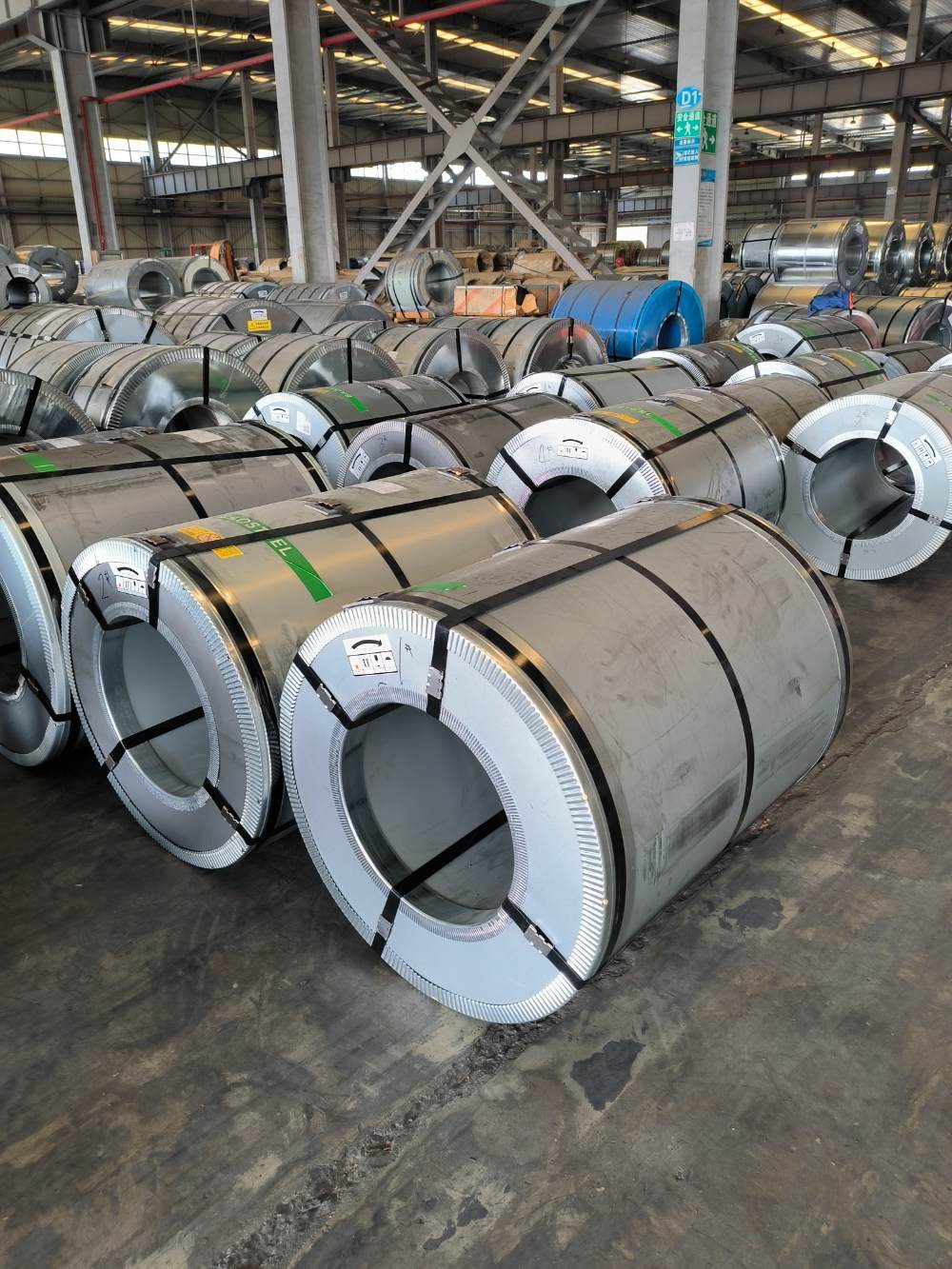
Precision Grain Alignment: The Secret to Minimal Energy Loss
In the quest for efficiency across various engineering and scientific applications, achieving minimal energy loss often hinges on a subtle yet powerful concept: precision grain alignment. This isn't just about materials science; it's about the fundamental organization of crystalline structures. When grains in a material are meticulously aligned, the interfaces between them become less chaotic—reducing scattering of electrons, phonons, or other energy carriers that typically waste energy as heat. Imagine a well-orchestrated ensemble where every component moves in harmony, versus a chaotic crowd bumping into each other. That's the essence of precision grain alignment: transforming a material's internal landscape to guide energy flow smoothly and directly.
But what makes this approach so intriguing is its versatility. It's applied in cutting-edge fields like semiconductor manufacturing, where aligned silicon crystals boost electrical conductivity in microchips, and in renewable energy technologies, such as solar cells, where optimal grain orientation enhances light absorption and reduces thermal losses. Even in aerospace engineering, advanced alloys with fine-tuned grain alignment withstand extreme temperatures better, conserving energy that would otherwise dissipate. By focusing on the micro-scale arrangement, we unlock macro-scale benefits—engineering solutions that not only save power but also extend device lifespans and improve performance under stress.
Ultimately, precision grain alignment transcends mere technical optimization; it represents a paradigm shift in how we design materials for a sustainable future. As industries push toward greener technologies, mastering this secret minimizes waste and maximizes output, proving that sometimes, the smallest adjustments lead to the biggest gains in our energy-conscious world.
Applications That Demand the Highest Electrical Efficiency
In an era where energy conservation has become a crucial global priority, certain applications push the boundaries of electrical efficiency, aiming to maximize performance from minimal power input. From data centers handling vast amounts of information to portable medical devices in remote areas, every watt saved can translate into significant cost reductions, extended operational lifetimes, and reduced environmental impact. The drive towards ultra-efficiency is not just about saving energy; it's a fundamental requirement for ensuring reliability and sustainability in critical sectors where power disruptions could have serious consequences.
Consider the realm of renewable energy systems, such as solar panels or wind turbines, where electrical efficiency directly affects the feasibility and profitability of clean energy projects. High-efficiency components are essential to capture and convert natural resources into usable electricity with minimal losses, making these technologies more competitive against traditional fossil fuels. Moreover, in applications like electric vehicles, every percentage point gained in efficiency can lead to longer driving ranges, quicker charging times, and lower overall ownership costs, accelerating the transition towards greener transportation solutions.
Beyond industrial or consumer applications, some of the most demanding scenarios involve specialized fields like space exploration or scientific research equipment. Here, electrical efficiency is paramount because power sources are often limited—think of satellites or deep-sea probes operating for years with finite battery or solar capacity. Innovations in low-power microelectronics and energy harvesting techniques enable these systems to function reliably in extreme conditions, pushing the envelope of what's possible while minimizing energy waste. This relentless pursuit of efficiency not only advances technology but also inspires new approaches to design that can benefit a wide array of everyday products.
Key Properties That Define Top-Tier Grades
When evaluating products or services, top-tier grades stand out through a blend of precision and reliability. It's not just about meeting basic standards; it’s about excelling in areas that truly matter to users. For instance, in the realm of electronics, this might translate to unmatched processing speed or battery longevity that consistently outperforms competitors. These properties often emerge from rigorous testing and a commitment to innovation, ensuring that every feature serves a purpose and enhances the overall experience.
Another critical aspect is the attention to detail in craftsmanship and materials. From the feel of a premium fabric to the seamless integration of software and hardware, top-tier grades reflect a meticulous design philosophy. This isn't merely about aesthetics—it's about durability and functionality that withstand daily wear and tear. Consumers recognize this through subtle touches, like ergonomic grips or intuitive interfaces, which make a product not just good, but exceptional over time.
Ultimately, what defines top-tier grades is a holistic approach to quality. It combines tangible attributes with intangible values like customer support and ethical production. Whether it's a car with superior safety features or a software platform that evolves with user feedback, these properties create trust and loyalty. In a crowded market, they set benchmarks that others aspire to, making them indispensable for anyone seeking excellence.
Manufacturing Breakthroughs in Steel Processing
Steel processing has evolved dramatically in recent years, with innovations that are reshaping how we produce and utilize this essential material. From advanced high-strength steels (AHSS) used in automotive lightweighting to precision manufacturing techniques like additive manufacturing (3D printing) for complex components, the industry is pushing boundaries. These breakthroughs not only enhance performance and durability but also reduce waste and energy consumption in production processes, making steel more sustainable and cost-effective for diverse applications across construction, transportation, and consumer goods.
A key breakthrough lies in the development of smart manufacturing systems enabled by digitalization and automation. Technologies such as artificial intelligence (AI) and the Internet of Things (IoT) are being integrated into steel mills to optimize operations in real-time. For example, predictive maintenance algorithms can foresee equipment failures, minimizing downtime, while data analytics fine-tune chemical compositions and rolling processes to achieve superior quality control. This shift toward Industry 4.0 not only boosts efficiency but also allows for greater customization, meeting specific client demands with unprecedented precision and speed.
Additionally, breakthroughs in surface treatment and coating methods have revolutionized steel's resistance to corrosion and wear. Innovations like nano-coatings and plasma-enhanced processes create ultra-thin, durable layers that extend product lifespans in harsh environments, from marine applications to industrial machinery. These advancements, coupled with eco-friendly practices such as recycling and reduced carbon emissions in production, highlight a dual focus on technological excellence and environmental responsibility, positioning steel as a forward-thinking material for the future.
Future Directions in Energy-Saving Materials
Moving forward, the field of energy-saving materials is shifting toward multifunctional designs that not only minimize energy consumption but also actively enhance it. For instance, researchers are exploring smart windows that adapt transparency to sunlight, reducing cooling needs while harvesting energy. These innovations aim to go beyond insulation and create integrated systems for sustainable building and transportation.
Another key trend involves the development of biodegradable and recyclable materials to address environmental concerns. By using advanced composites or bio-based polymers, these materials can maintain high performance while being easily disposed of, supporting a circular economy. This approach highlights a holistic view of energy savings, considering the full lifecycle impact and resource efficiency.
Advancements in nanotechnology and AI-driven optimization are also setting new benchmarks. Materials like aerogels with adjustable properties or AI-designed coatings can be tailored for specific climates, offering precision in energy management. This personalization promises more effective solutions, pushing the boundaries of traditional applications toward smarter, adaptive technologies.
FAQ
Grain oriented electrical steel is a specialized type of steel with aligned crystals that reduce energy loss in magnetic circuits, making it vital for high-efficiency transformers and motors by minimizing core losses and improving performance.
Focus on low core loss, high permeability, and excellent magnetic flux density, as these characteristics directly impact energy efficiency and operational stability in applications like power distribution systems.
Top brands stand out through advanced production techniques, such as domain refinement and coating innovations, which enhance magnetic properties and durability, catering to specific industry demands like renewable energy integration.
Beyond transformers, it's used in high-efficiency inductors, power reactors, and electric vehicle charging systems, where its ability to handle high magnetic fields boosts reliability and energy savings.
Grain orientation aligns the steel's crystalline structure along the rolling direction, optimizing magnetic flux flow and reducing hysteresis losses, which leads to quieter operation and longer lifespan in devices.
Emerging trends include thinner gauges for better efficiency, eco-friendly production methods, and tailored alloys for smart grids, driving innovations that meet stricter energy regulations and reduce environmental impact.
Evaluate factors like operating frequency, temperature tolerance, and cost-effectiveness, and consult technical datasheets or experts to match steel grades with application requirements, avoiding over-specification.
It enables more efficient power transmission and distribution by cutting energy waste in electrical grids, supporting sustainability efforts and helping industries comply with international energy standards.
Conclusion
Grain oriented electrical steel has revolutionized transformer technology by optimizing energy transfer. Its precision grain alignment minimizes hysteresis and eddy current losses, forming the superior core of modern transformers. This advancement ensures minimal energy waste, making it crucial for applications demanding high electrical efficiency, such as power distribution networks and industrial machinery. Key properties like high permeability and low core loss define top-tier grades, which are essential for performance and cost-effectiveness in demanding environments.
Manufacturing breakthroughs in steel processing have enabled better control over grain orientation, enhancing material properties and allowing for thinner laminations. Future directions in energy-saving materials focus on innovations like nanocrystalline and amorphous alloys, which aim to further reduce losses. This continuous evolution underscores the role of grain oriented electrical steel in achieving sustainability goals and improving grid reliability, solidifying its status as a critical component in high-efficiency applications across various sectors.
Contact Us
Contact Person: Zoe Liang
Email: [email protected]
Tel/WhatsApp: 86 189 2128 6299
Website: https://www.baowuchina.com