
Custom Downspout Machine Solutions: Enhancing Water Management Efficiency
2026-09-10
Ever struggled with inefficient water drainage that leaves your property vulnerable to damage? Effective water management isn't just about convenience—it's a critical component of protecting structural integrity and enhancing sustainability. At Beenew, we're redefining how professionals approach custom downspout solutions with precision-engineered machines that adapt to your specific needs. This blog dives into the innovative technologies and practical benefits of tailored downspout systems, showing you how smarter design can transform water management from a routine task into a strategic advantage. Discover why bespoke equipment isn't a luxury but a necessity in today's demanding environments—and how it could be the key to unlocking greater efficiency for your projects.
Tailored Downspout Machine Designs for Optimal Rainwater Diversion
In urban environments, rainwater management often suffers from one-size-fits-all solutions that fail to account for local climate variations and building specifics. To address this, tailored downspout machine designs focus on customizing components like gutter profiles and downspout diameters based on factors such as average rainfall intensity and roof surface area. This precision engineering ensures efficient water flow, reduces strain on drainage systems, and minimizes overflow risks during heavy storms.
Beyond basic functionality, these machines incorporate advanced materials and smart technologies to enhance durability and performance. For instance, some designs use corrosion-resistant alloys or integrate sensors that monitor water levels and adjust flow rates in real-time. By optimizing every aspect from material selection to automated controls, these tailored solutions not only divert rainwater effectively but also extend the lifespan of infrastructure, cutting maintenance costs over time.
What truly sets these designs apart is their adaptability to diverse architectural styles and environmental conditions. Whether for historic buildings with unique rooflines or modern structures in flood-prone areas, engineers can modify downspout configurations to blend aesthetics with high efficiency. This flexibility supports sustainable urban planning by preventing water damage and promoting rainwater harvesting, making them a go-to choice for developers aiming to balance form and function in today's climate-conscious world.
Advanced Materials and Durability in Modern Downspout Systems
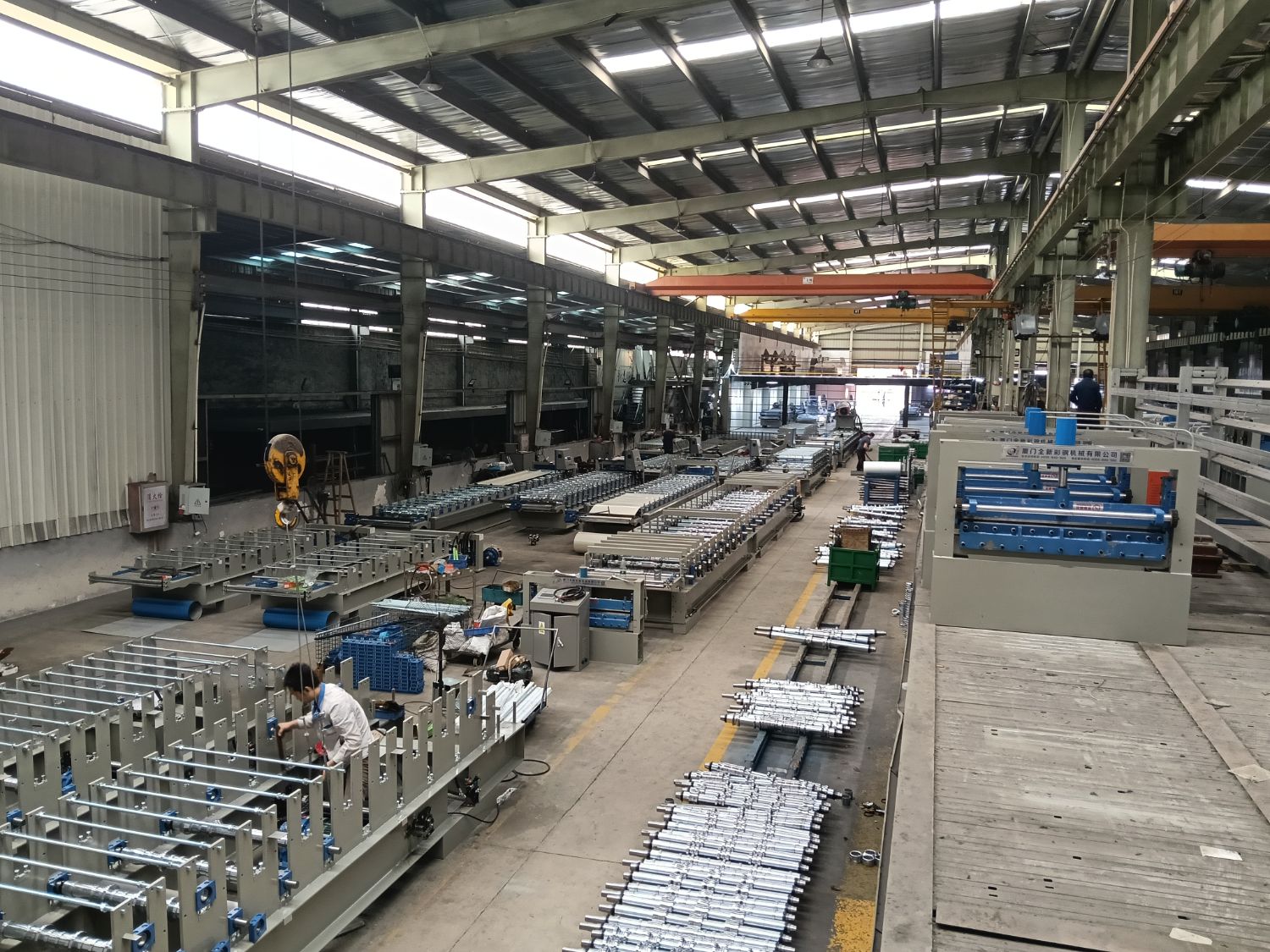
In the world of modern downspout systems, the shift toward advanced materials has revolutionized durability and performance. Gone are the days when simple galvanized steel or basic plastic sufficed; today's designs incorporate high-strength aluminum alloys, vinyl composites, and even corrosion-resistant polymers. These materials not only withstand harsh weather conditions like heavy rains and freezing temperatures but also resist degradation from UV exposure and chemical pollutants, ensuring downspouts remain functional and aesthetically pleasing for decades. By focusing on cutting-edge material science, manufacturers are creating systems that go beyond mere water diversion, offering long-term reliability that homeowners and builders can trust without constant maintenance.
Durability in contemporary downspout solutions is no longer just a buzzword—it's a critical feature achieved through thoughtful engineering and material innovation. For instance, some advanced models use seamless construction techniques to eliminate weak points where leaks or breaks might occur, while others integrate reinforced joints and brackets made from stainless steel or plasticized polymers. This attention to detail means that modern downspouts can handle increased water flow from larger roof areas, reducing the risk of clogs and overflows that often plague older systems. As a result, these durable components contribute to overall building integrity, protecting foundations and landscapes from water damage in ways that traditional options simply can't match.
What truly sets modern downspout systems apart is their blend of durability with sustainability and design flexibility. Beyond lasting longer, materials like recycled aluminum or biodegradable composites are gaining popularity, appealing to eco-conscious consumers who seek performance without environmental compromise. Moreover, innovations in coatings and finishes allow for customizable colors and textures that blend seamlessly with various architectural styles, from rustic homes to sleek commercial buildings. This holistic approach ensures that today's downspouts aren't just functional tools but valuable investments, enhancing property value while quietly doing their job year after year, even in the most demanding climates.
Innovative Features That Boost Water Harvesting and Reuse
Modern advancements in water harvesting and reuse technology are transforming how we manage this vital resource. Systems now incorporate smart sensors that detect rainfall intensity and soil moisture levels, allowing for real-time adjustments to collection and distribution. For example, in urban settings, green roofs and permeable pavements work together to capture rainwater, reducing runoff and replenishing groundwater supplies. These integrated approaches not only conserve water but also mitigate flooding risks, making cities more resilient to climate change.
Innovation extends to water treatment and purification methods, enabling safer and more efficient reuse. Technologies like membrane bioreactors and advanced oxidation processes remove contaminants from wastewater, producing high-quality water suitable for irrigation, industrial processes, or even potable use in some cases. This closed-loop system minimizes waste and energy consumption, as seen in facilities that recycle greywater from sinks and showers for toilet flushing or landscape watering. By repurposing water that would otherwise be discarded, these features significantly cut down on freshwater demand and environmental impact.
Beyond technical upgrades, design and policy innovations play a crucial role in boosting water harvesting and reuse. Rain gardens and constructed wetlands mimic natural ecosystems to filter and store water, enhancing biodiversity while serving practical purposes. Additionally, community-based initiatives and incentives encourage widespread adoption, such as rebates for installing rainwater tanks or regulations that mandate water-efficient building codes. By fostering a holistic approach that combines cutting-edge technology with thoughtful planning, we can create sustainable water systems that adapt to growing needs and environmental challenges.
Cost-Effective Solutions for Residential and Commercial Properties
Finding budget-friendly solutions for both homes and businesses can feel like a constant puzzle, but with a bit of planning, it's possible to cut costs without sacrificing quality. For residential properties, consider investing in energy-efficient appliances, which may have a higher upfront price but lead to significant savings on utility bills over time. Simple upgrades like LED lighting or proper insulation can also make a big difference, keeping spaces comfortable while reducing monthly expenses. On the commercial side, opting for durable, low-maintenance materials in construction or renovations can minimize repair costs and downtime, allowing operations to run smoothly with less financial strain.
Many people overlook the potential of smart technology as a cost-effective tool, but it's becoming increasingly accessible for various property types. In residential settings, smart thermostats and water heaters can optimize energy use based on daily routines, while in commercial buildings, automated systems for lighting and climate control can adapt to occupancy levels, avoiding waste. This proactive approach not only lowers bills but can also extend the lifespan of equipment, making it a wise long-term investment. Additionally, adopting remote monitoring for security or maintenance can reduce the need for on-site staff, further trimming operational budgets.
Collaboration and shared resources offer another avenue for savings that's often underutilized. For commercial properties, co-working spaces or shared amenities like conference rooms can spread costs among multiple tenants, fostering a community while keeping overhead low. In residential areas, neighborhood initiatives for bulk purchasing of supplies or group contracts for services like landscaping can lead to discounts. By thinking creatively and pooling efforts, property owners can achieve more with less, turning cost-effectiveness into a collaborative advantage rather than just a financial necessity.
Easy Installation and Maintenance Tips for Long-Term Performance
Getting your equipment up and running smoothly from the start sets the stage for years of reliable service. A little planning goes a long way—like making sure you have the right tools handy and checking that the installation site is level, clean, and free from obstructions. Don't skip the manual; skim through the setup steps beforehand to avoid common pitfalls. If something seems off during installation, pause and double-check rather than forcing parts together. Taking an extra few minutes here can prevent headaches down the road.
Once everything's in place, establishing a simple maintenance routine is key to keeping performance sharp. Think of it like caring for a car: regular check-ups, such as cleaning filters or tightening loose bolts, help catch minor issues before they turn into major repairs. Keep a basic log to track maintenance dates and any adjustments you make. This habit not only extends the lifespan of your gear but also ensures it runs efficiently, saving you time and money in the long run.
For ongoing care, stay proactive rather than reactive. Listen for unusual noises or watch for performance dips—these can be early warning signs. Keep spare parts or consumables on hand to minimize downtime if something wears out. And don't forget software updates if applicable; they often include improvements that boost stability and compatibility. By integrating these practices into your routine, you'll enjoy consistent, trouble-free operation for years to come.
Environmental Benefits of Customized Water Management Equipment
Customized water management equipment offers a game-changing approach to conservation by tailoring solutions to specific local needs, such as soil types and climate patterns. Unlike one-size-fits-all systems, these designs can reduce water waste by up to 30% by optimizing irrigation schedules and flow rates, directly cutting down on energy use from pumping and treatment. For example, in agricultural settings, sensors and smart controllers adjust watering based on real-time moisture data, ensuring crops get just what they need without over-extraction from nearby rivers or aquifers.
Beyond efficiency gains, these systems foster biodiversity by preventing runoff of pollutants like fertilizers and pesticides into ecosystems. By integrating filtration and recycling features, they enable businesses and communities to reuse greywater for non-potable purposes, such as landscaping or industrial cooling. This not only conserves freshwater resources but also reduces the strain on municipal treatment plants, lowering overall carbon emissions from transportation and processing. A case in point is urban rainwater harvesting setups that mitigate flooding risks while replenishing groundwater levels.
The adaptability of customized equipment allows for innovative applications, like modular units in disaster-prone areas that purify and store water sustainably, reducing reliance on plastic bottles. By promoting a circular water economy, these solutions help combat droughts and pollution in a cost-effective manner, making them vital for long-term environmental resilience. As more industries adopt such tailored approaches, they're setting new benchmarks for eco-friendly operations that others can learn from and replicate.
FAQ
Custom downspout machines allow for tailored designs that fit specific building layouts, maximizing rainwater collection and reducing runoff, thus boosting efficiency in urban and industrial settings with minimal waste.
They can be adapted with materials and shapes suited to local weather, such as wider spouts for heavy rainfall areas or insulated options in cold regions to prevent freezing and blockages.
Yes, by optimizing water harvesting and reuse, they support green building goals like LEED certification, cutting down on water bills and contributing to environmental conservation efforts.
While initial setup might be higher than standard options, the long-term savings from improved water efficiency and reduced maintenance often make them a cost-effective investment for property owners.
Custom designs may require precise measurements and skilled installation, but manufacturers often provide support to ensure seamless fitting and minimal disruption to existing structures.
New models include smart sensors for monitoring water flow, modular components for easy upgrades, and aesthetic options that blend with architectural styles without compromising function.
Commercial real estate, agricultural facilities, and large residential complexes see significant advantages, as efficient water management is crucial for reducing flood risks and optimizing resource use in these sectors.
Conclusion
Custom Downspout Machine Solutions represent a significant advancement in water management efficiency by offering tailored designs that optimize rainwater diversion, ensuring effective collection and redirection regardless of architectural constraints. These systems incorporate advanced materials for enhanced durability, capable of withstanding harsh weather conditions while maintaining long-term functionality. Innovative features further boost water harvesting and reuse, integrating smart technologies for automated control and filtration, making them ideal for both residential and commercial properties seeking cost-effective solutions that reduce water bills and environmental impact.
The ease of installation and maintenance tips provided ensure long-term performance with minimal effort, promoting sustainable practices through customized equipment that minimizes runoff and conserves resources. Environmental benefits are substantial, as these solutions reduce strain on municipal systems, lower carbon footprints, and support greener building standards, ultimately contributing to more resilient and eco-friendly communities. By blending practicality with innovation, custom downspout machines elevate water management to new heights, offering a versatile and impactful approach to modern infrastructure needs.
Contact Us
Contact Person: Sophie
Email: [email protected]
Tel/WhatsApp: 8615959271231
Website: https://www.beenew-rollformer.com/