
China Cosmetic Bottles: Unveiling the Latest Trends and Innovative Designs
2026-08-06
The cosmetic packaging landscape is undergoing a dramatic transformation, with China at the forefront of innovation and design. From sleek minimalist bottles to eco-conscious materials, the latest trends are redefining how beauty products are presented. As brands compete for consumer attention, the bottle itself has become a canvas for storytelling. At the heart of this evolution is Zhejiang Haitong Plastic Industry Technology Co., Ltd., a trailblazer in crafting cutting-edge cosmetic containers that blend functionality with aesthetic appeal. But what exactly is driving these changes, and how are they shaping the future of beauty packaging? Dive in as we explore the most captivating trends and breakthrough designs emerging from China's dynamic cosmetic bottle industry.
Eco-Luxe Unwrapped: China's Shift to Sustainable Cosmetic Vessels
The notion of luxury in China’s beauty sector is undergoing a quiet but profound recalibration. For decades, opulence was synonymous with excess—glossy multi-layered boxes, metallic foils, and plastic-heavy designs that screamed prestige. Today, a growing coterie of discerning consumers is rewriting that script. They’re not just purchasing a serum; they’re investing in a vessel that reflects their values. The rise of the “eco-luxe” mindset has pushed sustainability from niche to norm, with more shoppers scrutinizing a jar’s afterlife as closely as its contents. Brands that once flaunted disposable grandeur are now racing to offer refillable compacts and biodegradable pouches, recognizing that true elegance no longer comes wrapped in waste.
Behind this pivot lies a surge in material innovation that marries Chinese heritage with cutting-edge science. You’ll find bamboo-fiber caps on moisturizers, a nod to traditions of resourcefulness, alongside laboratory-grown mycelium foam trays that cradle eye creams. Porcelain jars, inspired by Jingdezhen’s ancient kilns, are reimagined as reusable keepsakes, while recycled ocean plastics are molded into sleek, minimalist contours. This isn’t mere greenwashing—it’s a deliberate design language that transforms a bottle of lotion into an object of contemplation. Local artisans are collaborating with chemists to craft finishes that feel like satin but decompose in industrial compost, proving that indulgence needn’t pillage the planet.
What’s striking is how this shift intertwines with social narratives. Young Chinese consumers, raised amid environmental urgency, treat their dressing tables as stages for conscious curation. A lipstick case made from upcycled red envelopes resonates far more than generic luxury, because it tells a story of renewal and cultural pride. Beauty counters are becoming spaces for dialogue, where the vessel itself sparks conversations about resource loops and ethical sourcing. Even the gifting culture, so central to China’s cosmetics market, is morphing: the most coveted presents are now those that leave behind nothing but a lingering scent and a gentle footprint. As sustainability matures from trend to foundational ethic, it’s clear that China isn’t just adopting global green standards—it’s sculpting its own vision of what it means to be beautifully responsible.
When Bottles Get Smart: China's Tech-Infused Packaging Revolution
Imagine opening a bottle of premium baijiu and, with a simple tap of your phone, unlocking its entire journey from grain to glass. This is no longer a futuristic fantasy in China, where a quiet revolution is transforming everyday containers into interactive gateways. Embedded with NFC chips, QR codes, or even light-sensitive sensors, smart bottles are rewriting the rules of consumer engagement, turning passive packaging into active storytellers. For brands, it's a direct line to the customer—no retail middleman, no guessing games.
The real magic lies in the data dance that follows each scan. Every interaction feeds into living consumer profiles, letting companies not just track but anticipate preferences. A limited-edition whiskey might trigger a personalized video from the master distiller, while a batch of wine could alert you when it's perfectly aged. This isn't mere novelty; brands like Moutai have turned digital authentication into a loyalty loop, slashing counterfeits while inviting drinkers into an exclusive club. The bottle becomes both a shield against fraud and a lens into brand heritage.
Yet technology never stands still, and China's packaging innovators are already pushing beyond the smartphone screen. Temperature-sensitive inks that reveal hidden art when chilled, augmented reality labels that peel away to show virtual vineyards, and even bottles that reorder themselves via the Internet of Things—these experiments point to a world where packaging is no longer trash, but a persistent part of the product experience. Smart bottles are not just an upgrade; they're a quiet overhaul of the rituals that define how we consume, connect, and trust the things we drink.
Porcelain to Polymer: How Chinese Heritage Shapes Modern Makeup Containers
Walk through any luxury beauty aisle today, and you’ll spot sleek compacts and lipstick cases that seem utterly modern — yet many of their curves, motifs, and materials whisper of dynasties past. The journey from Ming-era porcelain jars to space-age polymers isn’t a clean break but a subtle evolution. Those delicate blue-and-white patterns once hand-painted on ceramic powder boxes now reappear as laser-etched textures on lightweight, travel-ready cases. The heritage isn’t locked in a museum; it’s reincarnated as everyday elegance, blending centuries-old artistry with contemporary convenience.
Consider the traditional Chinese rouge pot: a tiny, lidded vessel often adorned with peony or lotus carvings, symbolizing prosperity and purity. Today, high-end brands reinterpret that silhouette in glossy acrylic or recycled resin, keeping the symbolic flora but updating the tactility. The polymer might be injection-molded, yet the lid still clicks shut with the same satisfying precision as its porcelain ancestors. It’s a deliberate choice — not nostalgia alone, but a tactile bridge between ritual and routine. The result is a container that feels both reassuringly familiar and refreshingly new, inviting the user into a narrative that spans generations.
What’s fascinating is how these materials are pushed further by heritage aesthetics. Polymer’s flexibility allows for translucent effects mimicking carved jade or layered lacquer, impossible to achieve with brittle porcelain. You’ll find compact cases with inlaid patterns that replicate cloisonné enamelwork, but crafted via sustainable bioplastics. This isn’t merely decorative; it’s a cultural translation. Each container becomes a miniature canvas where ancient symbolism — auspicious clouds, dragons, or bamboo — meets modern manufacturing. In a world of disposable packaging, these objects argue quietly for permanence of meaning, proving that true luxury lies not in the material alone, but in the story it continues to tell.
Less, But Better: China’s Minimalist Approach with Hidden Functionality
In the heart of modern Chinese design, a quiet revolution is taking shape. It rejects the ornate and embraces the essential, yet never feels cold or impersonal. This approach draws from ancient philosophies where empty space was as meaningful as the object itself. A lacquered tray might seem starkly plain until you discover its subtle compartments for tea utensils, or a wall panel slides silently to reveal a study alcove. The beauty lies not in what you see, but in what quietly awaits your discovery.
Furniture and everyday objects become puzzles of purpose. A wooden bench, seemingly monolithic, conceals drawers that open with a hidden touch. A ceramic vase, minimal in silhouette, is molded with internal ridges to arrange stems effortlessly. These pieces do not advertise their cleverness; they simply perform, making daily rituals smoother. The focus is on enhancing life through thoughtful reduction, where every hidden detail serves a genuine need without demanding attention.
This design sensibility extends to architecture, where movable partitions and built-in storage dissolve boundaries. A living room transforms into a guest bedroom through panels that fold away, while a kitchen island hides appliances behind seamlessly carpentered fronts. The result is a serene, uncluttered environment that adapts gracefully. By stripping away the excess and tucking functionality out of sight, China’s minimalism achieves an effortless elegance—proving that less truly becomes better when the invisible elevates the everyday.
Your Name, Your Bottle: The Surge of Bespoke Beauty Packaging
The era of one-size-fits-all beauty is fading fast. Today’s consumers don’t just want a product that works; they want a ritual that reflects their identity. Personalization has seeped into every detail, and packaging is the new frontier. From monogrammed compacts to fragrance bottles engraved with a special date, brands are letting customers leave their literal mark. This shift isn’t just about aesthetics—it’s about emotional connection. When you see your initials etched into a lipstick case, the object transforms from something disposable into a keepsake.
Technology is fueling this customization boom. Small-batch production and digital printing make it possible to offer individualized packaging without the monstrous costs once associated with bespoke runs. Startups are building entire business models around made-to-order vessels, while legacy houses layer personalization onto their classic silhouettes. The result is a packaging landscape where no two bottles need to be alike. Even scents can be tailored to match a customer’s mood or memory, housed in a flacon that feels uniquely theirs. It’s a quiet rebellion against mass production—and a return to the idea that luxury is, at its core, personal.
Yet the rise of bespoke packaging comes with its own set of tensions. Sustainability often collides with single-unit custom creations, pushing innovators to rethink materials. Refillable monogrammed bottles are becoming a solution, blending eco-consciousness with the desire for permanence. The surge also speaks to a deeper cultural craving: in a world of infinite scroll and fleeting trends, people are reaching for tangible, personal anchors. A bottle with your name on it isn’t just a container; it’s a small, visible assertion of self in an increasingly homogenized world.
Tactile Luxury: Novel Textures Driving China's Premium Cosmetic Jars
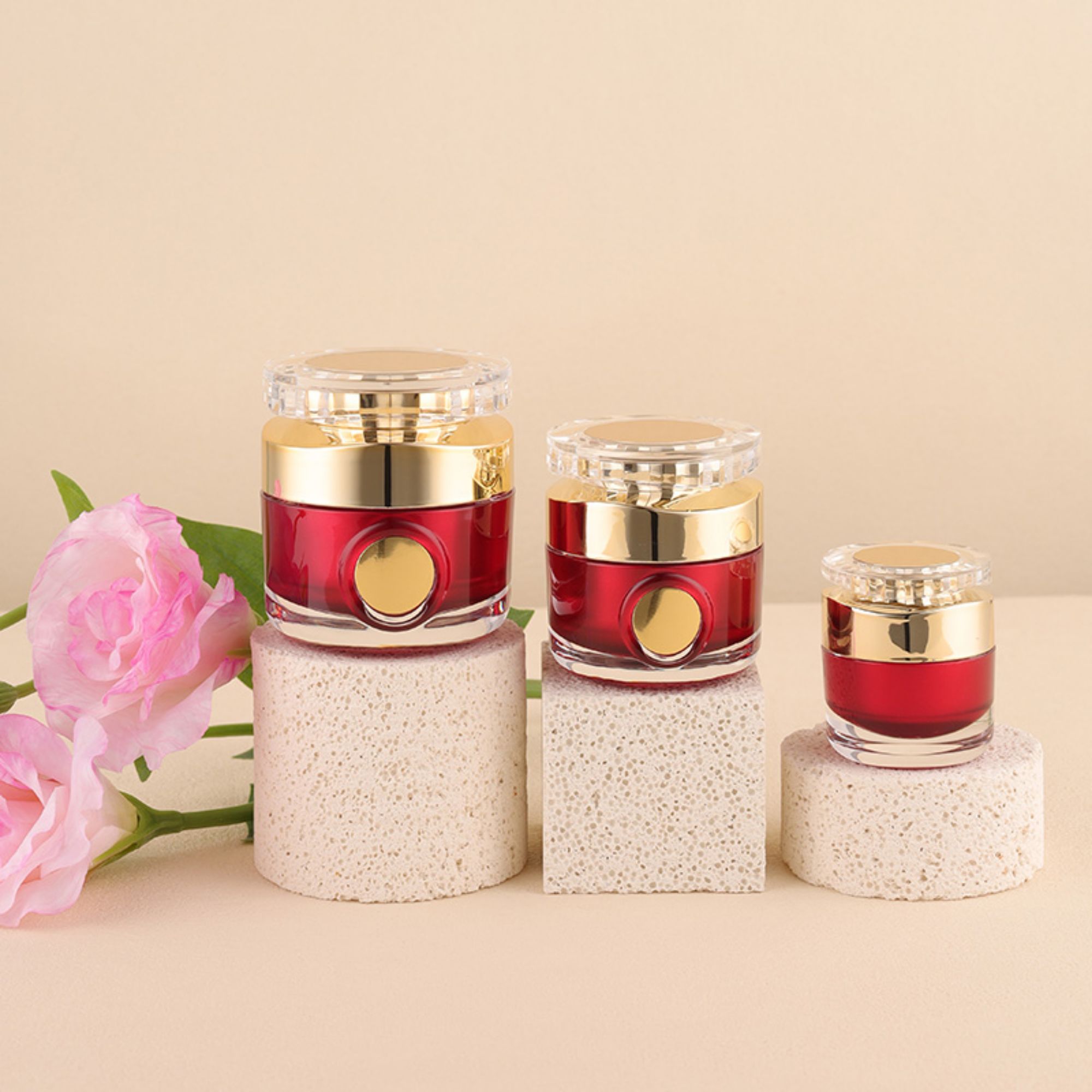
In China's fiercely competitive beauty market, luxury is no longer just about what meets the eye—it's about what greets the fingertips. Premium cosmetic jars are shedding their smooth, predictable skins for surfaces that beg to be touched: think velvety soft-touch coatings, intricately embossed leather patterns, and cool, weighty ceramics that mimic fine porcelain. These textures create an intimate, unspoken dialogue between the product and its user, transforming a daily ritual into a moment of sensory indulgence. Brands are harnessing this tactile revolution to convey exclusivity and craftsmanship without a single word, making the unboxing experience as memorable as the formula inside.
The shift is driven by a deeper understanding of Chinese consumers, who increasingly associate tactile pleasure with product quality and personal identity. A jar with a matte, pebble-like finish or a faceted glass surface that catches the light signals refinement and modernity, while a hand-carved wooden lid adds warmth and authenticity. Manufacturers are collaborating with material scientists and artisans to develop proprietary textures—micro-etched grooves that feel like silk, or dual-layer finishes that change temperature on contact. This obsession with touch not only elevates perceived value but also fosters emotional loyalty, turning a simple container into a keepsake that lingers on vanities long after the cream is gone.
FAQ
The growing demand for preservative-free formulations has made airless pump bottles a staple. They protect sensitive ingredients from oxidation and contamination, extending shelf life without relying on synthetic preservatives.
Many are incorporating soft-touch matte coatings, embossed patterns, and ergonomic contours. These tactile details create a more luxurious unboxing experience and reinforce brand identity through touch.
Sustainability is a major driver, with brands adopting mono-material packaging for easier recycling, integrating refillable systems, and using post-consumer recycled (PCR) plastics. Some are even exploring biodegradable materials derived from cornstarch or sugarcane.
Precision dosing mechanisms, such as dropper lids with calibrated pipettes and airless pumps that dispense exact amounts, are gaining traction. These innovations cater to the high-potency serum market where controlled application is crucial.
NFC tags and QR codes embedded in bottle caps or bases allow consumers to verify authenticity, access product tutorials, and trace ingredient origins. This tech integration builds trust and enhances user engagement.
There's a move towards minimalist elegance inspired by traditional Chinese aesthetics—think ink-wash motifs, jade-inspired hues, and sleek, architectural shapes. Brands are blending cultural heritage with modern sophistication.
Conclusion
China's cosmetic bottle industry is undergoing a remarkable transformation, blending sustainability, technology, and cultural heritage to meet the demands of a discerning global market. The shift towards eco-luxe packaging is unmistakable, as brands embrace refillable systems, biodegradable materials, and bamboo accents, all while maintaining a premium feel. Simultaneously, smart bottles equipped with NFC chips and QR codes are turning packaging into interactive portals, offering consumers authenticity verification and personalized skincare routines. This fusion of tradition and innovation is also evident in designs that reinterpret classic Chinese motifs—like porcelain glazes and carved jade textures—through modern materials such as lightweight polymer, creating a bridge between ancient artistry and contemporary convenience.
The movement doesn't stop at aesthetics; functionality and individuality are paramount. The 'less, but better' philosophy drives minimalist designs with hidden pumps and magnetic closures that surprise users with their elegance and efficiency. Personalization has surged ahead, with on-demand printing allowing consumers to see their names or unique patterns on bottles, transforming everyday items into bespoke accessories. Tactile experiences are equally central, as premium jars feature velvety soft-touch finishes, grainy ceramic textures, and unexpected ridges that invite touch and elevate perceived value. Together, these trends paint a picture of a vibrant, forward-thinking sector that honors its roots while pushing the boundaries of what cosmetic packaging can be, ensuring Chinese bottles are not just containers, but artistic statements and functional marvels.
Contact Us
Contact Person: Kara Yang
Email: [email protected]
Tel/WhatsApp: 8618857568397
Website: https://www.haitongplastic.com/