Best Steel Grating: A Comprehensive Guide for Durable and Safe Flooring Solutions
2026-03-30
When it comes to durable and safe flooring solutions, steel grating stands out as an essential material in construction and industrial applications. In this comprehensive guide, we explore the best steel grating options available, focusing on quality, safety, and long-term performance. Whether you're a contractor, architect, or safety officer, understanding these products is crucial for making informed decisions. With Sino Grating at the forefront of innovative designs, this guide will walk you through the key factors to consider, such as load capacity, corrosion resistance, and installation efficiency. Get ready to uncover the secrets behind superior flooring that not only enhances safety but also withstands the toughest environments. Your journey to better projects starts here!
How to Choose the Best Steel Grating for High-Traffic Areas
When selecting steel grating for areas that see a lot of foot or vehicle traffic, it's essential to focus on durability and safety. Common materials like galvanized steel or stainless steel are excellent choices because they resist corrosion and wear over time. Look for gratings with a higher load-bearing capacity; this ensures they can handle heavy use without bending or breaking. Think about the environment too—if it's exposed to weather, opt for anti-slip surfaces to prevent accidents. A good rule of thumb is to check industry standards for load ratings and pick a grating that exceeds the expected traffic demands.
Another key factor is the design and installation of the grating. Choose a pattern that allows debris to fall through easily, keeping the surface clean and safe. Bar spacing is crucial: too wide, and small objects or heels might get stuck; too narrow, and it can clog quickly. For busy areas, welded steel grating often outperforms press-locked types due to its sturdier construction. Don't forget about maintenance—a grating that's easy to clean and inspect will save time and money in the long run. It's worth consulting with suppliers to get samples and test them in real-world conditions before making a final decision.
Lastly, consider the aesthetics alongside functionality. In high-traffic zones like sidewalks or industrial floors, a well-designed grating can enhance the look while keeping safety in mind. Some options include custom colors or finishes that blend with the surroundings. Always balance cost with quality: cheaper gratings might seem appealing, but investing in a durable, certified product reduces risks and replacement costs over time. By evaluating materials, design, and practical needs, you can ensure your steel grating stands up to the hustle and bustle effectively.
Top 5 Steel Grating Designs for Enhanced Safety and Durability
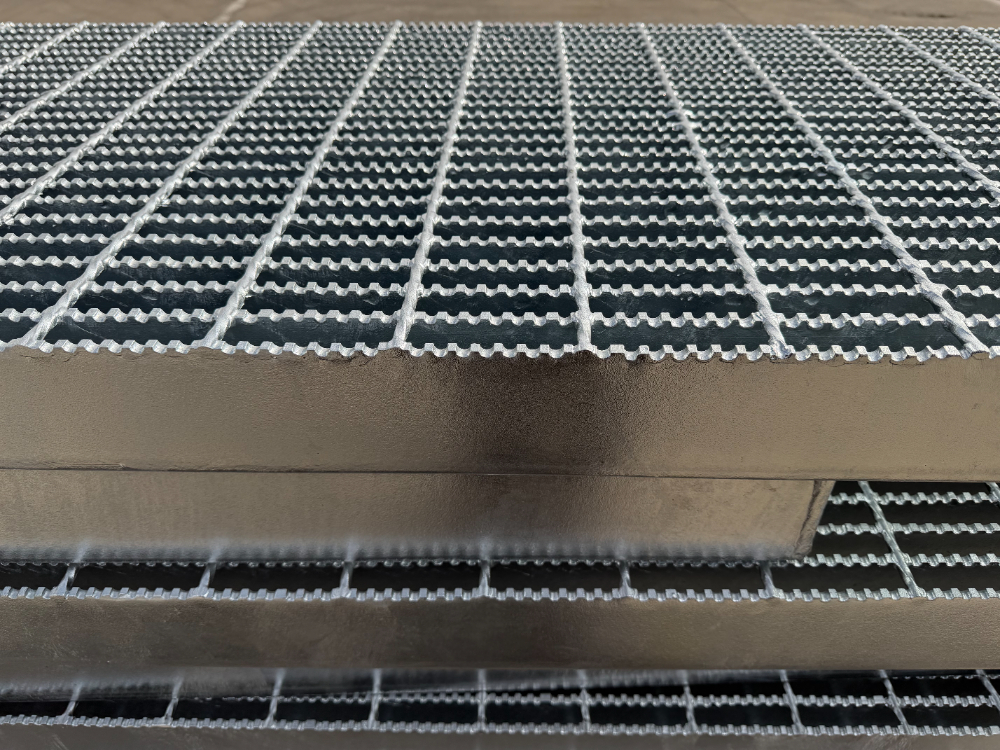
Steel grating is a crucial component in industrial and commercial settings, offering unmatched strength and slip resistance. Among the top designs, safety bars with raised surfaces provide superior traction even in wet conditions, reducing the risk of accidents. Durable coatings like hot-dip galvanization protect against corrosion, extending the grating's lifespan under harsh environments. This combination ensures a reliable foundation for workers and equipment.
Another standout design incorporates serrated edges that grip footwear effectively, preventing slips on inclined surfaces. These gratings often feature heavy-duty steel alloys that withstand heavy loads without deformation. With a focus on longevity, they are engineered to resist wear from constant foot traffic and machinery, making them an ideal choice for warehouses and factories.
For added durability, consider designs with welded or press-locked joints that eliminate gaps where debris can accumulate, enhancing structural integrity. These options are tailored to specific safety needs, such as flame-resistant treatments in high-temperature areas. By selecting the right grating design, users can achieve a safe, long-lasting solution that minimizes maintenance and improves operational efficiency.
Installation Tips to Maximize the Lifespan of Your Steel Grating
Proper installation is key to ensuring your steel grating stands the test of time, whether it's for industrial platforms, walkways, or architectural features. Start by checking the surface where the grating will be installed—make sure it's level, clean, and free of debris that could cause uneven stress. If you're bolting or welding, use the right hardware and techniques to avoid corrosion points. For outdoor setups, consider drainage; trapped moisture can accelerate rust, so a slight slope helps. Don't skip on safety during installation, as mishandling can lead to cracks or misalignment that shorten lifespan.
One often overlooked tip is to account for thermal expansion, especially in areas with temperature swings. Steel expands and contracts, so leave adequate gaps between panels or use expansion joints to prevent warping or buckling. If you're cutting grating to fit specific spaces, use proper tools and smooth the edges to remove sharp burrs—this not only enhances safety but also reduces stress concentrations. For painted or coated grating, handle it carefully during installation to avoid chipping the protective layer, which is your first defense against environmental wear.
Finally, think long-term with maintenance access. Install the grating in a way that allows easy cleaning and inspection, as regular upkeep is crucial for longevity. Avoid overloading it beyond its rated capacity, and if it's in a high-traffic area, consider adding anti-slip surfaces to prevent wear from foot traffic. By taking these steps, you can significantly extend the service life of your steel grating, saving money and ensuring reliability over the years.
Comparing Steel Grating Materials: Galvanized vs. Stainless Steel
In the selection of steel grating materials, galvanized and stainless steel are often compared based on their distinct properties and applications. Galvanized steel is carbon steel coated with a layer of zinc, providing excellent corrosion resistance in many environments, making it a cost-effective choice for outdoor or industrial settings where frequent exposure to moisture is expected. Stainless steel, on the other hand, contains alloying elements like chromium that naturally form a passive oxide layer, offering superior resistance to rust and staining, especially in harsh or chemical-laden environments.
From a durability standpoint, stainless steel typically outperforms galvanized steel in terms of longevity and maintenance needs, though it comes at a higher initial cost. Galvanized grating may require more frequent inspections and potential re-galvanizing over time to maintain its protective coating, while stainless steel can often withstand decades with minimal upkeep. This makes stainless steel ideal for critical infrastructure or high-traffic areas where reliability is paramount, whereas galvanized steel serves well in less demanding or budget-conscious projects.
Aesthetic and environmental considerations also play a role in the choice between these materials. Galvanized steel has a characteristic silver-gray appearance that can develop a patina over time, whereas stainless steel offers a sleek, shiny finish that is often preferred in architectural or decorative applications. Additionally, stainless steel is fully recyclable and may have a lower environmental impact over its lifecycle compared to galvanized steel, which involves zinc coating processes. Ultimately, the decision hinges on balancing factors like budget, exposure conditions, and desired lifespan to select the most suitable grating for the job.
Creative Applications of Steel Grating in Modern Architecture
Gone are the days when steel grating was relegated to industrial floors or utilitarian walkways. In contemporary architecture, designers are harnessing its aesthetic and functional versatility to redefine spaces. For instance, in the Shanghai Tower, architects incorporated perforated steel grating as cladding, not just for structural support but to create a dynamic, light-filtering facade that responds to changing daylight. This application transforms the building's exterior into a shimmering, textured surface, blending durability with artistic expression.
Another innovative use is in interior design, where steel grating serves as both partition and art piece. In boutique offices like those in Berlin's creative districts, custom-designed grating panels divide workspaces without sacrificing an open feel, allowing light to permeate while adding a raw, industrial chic. These elements can be laser-cut into intricate patterns, such as floral or geometric motifs, turning functional dividers into focal points that stimulate creativity and conversation among occupants.
Beyond aesthetics, steel grating is pushing sustainability boundaries. Projects like the Eco-Village in Copenhagen utilize recycled steel grating in green roofs and terraces, providing drainage and support for vegetation while reducing material waste. This dual-purpose approach not only enhances architectural appeal but also contributes to energy efficiency by insulating buildings. As technology advances, we're seeing even more creative applications, such as in kinetic installations where motorized grating adjusts to control ventilation or sunlight, proving that this humble material can be a cornerstone of both beauty and innovation in modern builds.
Maintenance Practices to Keep Your Steel Grating Secure and Long-Lasting
To ensure the ongoing safety and durability of your steel grating, regular inspection is key. This involves checking for signs of corrosion, such as rust spots or pitting, especially in high-moisture or corrosive environments. Pay attention to weld joints and connections, which can weaken over time if not properly maintained, and look for any loose or damaged sections that might compromise structural integrity. By catching these issues early, you can address them promptly before they escalate into major hazards or costly repairs.
A consistent cleaning regimen plays a crucial role in extending the lifespan of steel grating. Accumulated debris, dirt, and chemical residues can accelerate wear and promote corrosion. Use appropriate methods like pressure washing or gentle brushing with mild detergents to remove buildup, avoiding harsh chemicals that could damage protective coatings. After cleaning, allow the grating to dry completely to prevent moisture retention, which is a common culprit in metal degradation and safety risks.
Implementing protective measures, such as applying anti-corrosion coatings, can significantly enhance the longevity and security of your grating. Regular touch-ups help maintain the barrier against environmental elements, while ensuring proper drainage prevents water pooling that leads to rust. Additionally, scheduling professional assessments periodically can identify hidden issues and optimize maintenance efforts, keeping the grating robust and reliable for years to come.
FAQ
Steel grating is a durable, open-grid flooring material made from steel bars or plates, often welded or press-locked together. It's popular in industrial settings because it provides excellent load-bearing capacity, slip resistance, and allows for easy drainage and ventilation, making it ideal for areas like platforms, stair treads, and walkways where safety and longevity are key.
Steel grating boosts safety with its anti-slip surface, which reduces accidents in wet or oily conditions. Its open design prevents debris buildup, minimizing fire hazards and trip risks, while high visibility through the gaps helps workers avoid obstacles, ensuring a secure environment in factories, warehouses, and outdoor spaces.
Common types include welded steel grating, press-locked grating, and riveted grating. For heavy-duty applications, welded steel grating is often preferred due to its robust construction and superior strength, handling intense loads in areas like oil rigs or heavy machinery platforms without compromising durability.
Yes, steel grating can be tailored to meet project needs, such as size, bar spacing, and material grade. Key factors include load requirements, corrosion resistance (e.g., using galvanized or stainless steel for harsh environments), and installation ease to ensure it fits seamlessly into industrial or commercial designs.
Steel grating requires minimal maintenance, typically involving regular cleaning to remove dirt and debris, and periodic inspections for rust or damage. In corrosive settings, applying protective coatings or choosing galvanized options can extend its life, keeping it functional and safe for years with little effort.
Steel grating often has a higher upfront cost than wood but offers better durability and lower long-term expenses due to less maintenance and longer lifespan. Compared to concrete, it's lighter, easier to install and modify, and provides better drainage, making it a versatile choice for dynamic industrial environments where adaptability is crucial.
Conclusion
Selecting the best steel grating for high-traffic areas demands careful consideration of design and material properties to ensure both safety and durability. With options ranging from galvanized steel, which offers cost-effective corrosion resistance through zinc coating, to stainless steel, prized for its superior longevity in harsh environments, understanding material comparisons as outlined in "Comparing Steel Grating Materials: Galvanized vs. Stainless Steel" is crucial. Designs highlighted in "Top 5 Steel Grating Designs for Enhanced Safety and Durability" include serrated surfaces for slip resistance and robust load-bearing configurations, making them ideal for industrial settings where reliability is non-negotiable.
Beyond selection, maximizing the lifespan of steel grating hinges on proper installation and ongoing maintenance. "Installation Tips to Maximize the Lifespan of Your Steel Grating" emphasizes securing gratings firmly to prevent movement and stress, while "Maintenance Practices to Keep Your Steel Grating Secure and Long-Lasting" recommends regular inspections and cleaning to combat wear and corrosion. These practices, combined with creative applications in modern architecture—such as using steel grating for aesthetic facades or functional walkways—showcase its versatility beyond traditional flooring. By integrating these aspects, this guide provides a comprehensive approach to achieving durable and safe solutions that stand out in both performance and design.
Contact Us
Contact Person: Nicholas Zhu
Email: [email protected]
Tel/WhatsApp: 18921275456
Website: https://www.sino-grate.com