
Best SLA 3D Printer Factory: How to Choose the Right One for Your Business
2026-05-26
Finding a reliable SLA 3D printer factory can feel like navigating a maze—every supplier promises precision, but only a few deliver. At ProtoMat, we believe the right partner should do more than just manufacture; they should understand your business vision. In this guide, we’ll reveal the often-overlooked factors that set exceptional factories apart, from material science to post-processing consistency, so you can skip the trial-and-error and build a supply chain that truly scales.
When Sample Prints Reveal More Than Spec Sheets Ever Could
A spec sheet can list resolution and speed, but it never captures the quiet hum of a printer at work or that first glance at a fresh sample. I remember unrolling a sheet still warm from the fuser, its colors blending in ways no chart could predict. The subtle grain of the toner, the way shadows deepened without losing detail—these are the truths that data points miss. It’s a tactile conversation between machine and material, one that makes all the marketing bulletins feel like distant rumors.
Then there’s the paper itself. A sample reveals how ink settles into the fibers, whether it’s crisp on textured stock or bleeding just enough to soften a photograph. You can’t measure that in microns or percentages. I once held two prints side by side—same file, different devices—and the difference was like hearing a song on a phone speaker versus live in a small club. One felt sterile; the other had presence. Those are the moments when you stop trusting brochures and start trusting your hands.
Beyond the visual, a sample carries a certain authority that no PDF can replicate. Lay it on a desk, and people lean in. They touch it, hold it up to the light, maybe even smell the faint chemical trace of a fresh print. That physical artifact anchors decisions in a way that scrolling through technical charts never will. It’s the quiet proof that turns a skeptic into a believer, not because the numbers added up, but because the real thing simply felt right.
Why Your Workflow Deserves a Printer Built Around It, Not the Other Way Around
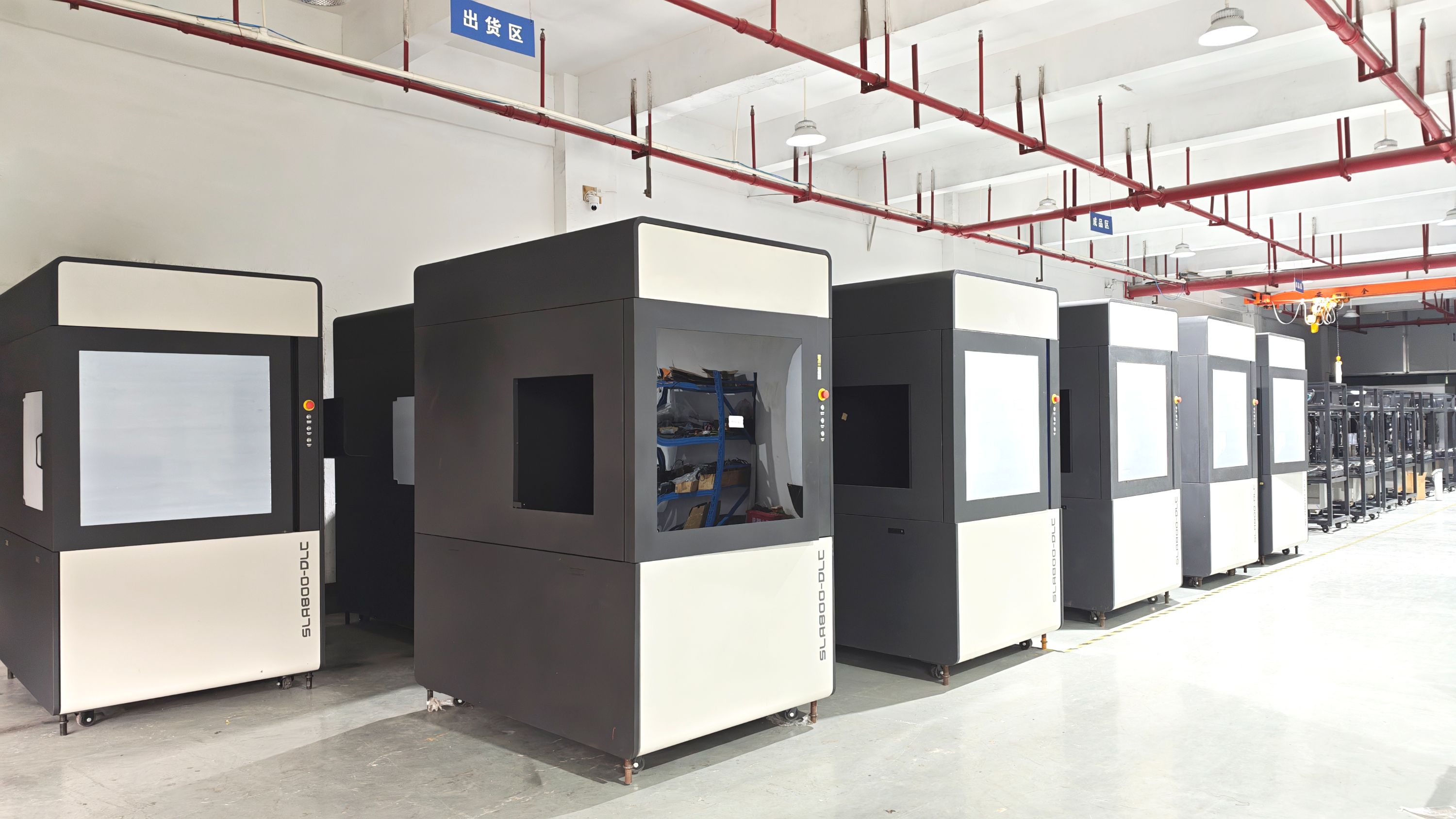
You’ve likely experienced the friction of a printer that demands you adjust your process just to get a simple job done. It starts with clunky drivers, confusing menu trees, or the constant need to transfer files to a designated PC first. That’s a printer dictating how you work, and it quietly chips away at your focus and momentum every single day.
When the tool adapts to you, everything shifts. Imagine walking up to any device in the fleet, tapping your badge, and instantly having your personal print queue, scan destinations, and preferred settings right there. No extra steps, no wasted time relearning someone else’s logic. The machine molds itself to the realities of your project cycles, whether that means overnight batch processing for a legal team or instant photo output for a creative studio.
What sounds like a luxury is actually the baseline for any serious workflow investment. A printer that integrates natively with your cloud drives, recognizes your department’s compliance rules, and even learns your recurring document patterns becomes an invisible partner. You stop thinking about the device itself and simply see your work materialize exactly when and how you need it. That’s the moment your productivity stops leaking and your tools finally earn their keep.
The Silent Partner: A Factory’s Track Record and What It Means for Your Deadlines
Every manufacturer will show you a glossy brochure and a handful of samples, but the real story lies in how they’ve handled the moments that didn’t make the highlight reel. A factory’s track record isn’t just a list of completed orders—it’s a pattern of reliability or a trail of missed hand-offs. When a potential partner has repeatedly delivered on time for clients facing the same seasonal rushes, material shortages, or last-minute design changes you’re already anticipating, that history quietly becomes one of your most valuable assets. It means fewer fire drills, fewer panicked calls, and a whole lot more confidence that your launch date isn’t built on a wish.
The less glamorous details, like how a factory communicates when a container gets bumped or a component arrives out of spec, are the ones that truly separate dependable partners from perpetual optimists. Dive into their back catalog of challenges: did they spot a flaw before it hit the assembly line? Did they absorb a surprise tariff without holding your shipment hostage? These quiet victories don’t make it onto the website, but they’re the reason you’ll sleep better knowing your deadlines have a guardian who’s already seen what’s coming around the corner.
In a supply chain that feels like it runs on crossed fingers, a proven track record acts as a silent partner that already knows the rhythms of your business. You’re not just buying capacity; you’re inheriting lessons learned on someone else’s time and dime. When the dates on your calendar start feeling more like commitments than suggestions, you’ll realize that vetting a factory’s past isn’t due diligence—it’s deadline insurance.
The Real Test: What Happens After the Invoice Is Paid
Paying an invoice might feel like the finish line, but it’s actually where the real relationship work begins. The moment funds transfer is just the start of a silent audit: did the deliverables match the promise? Was the process smooth or full of friction? Smart businesses treat the post-payment phase as a listening exercise, capturing unspoken feedback long before any survey goes out.
Silence after payment often hides either satisfaction or resignation—and the difference matters. A client who pays quickly but never returns isn’t necessarily happy; they might have simply tolerated the experience. The truest loyalty signals show up in what happens next: repeat work, unguarded referrals, or a request to tweak the scope instead of walking away. These organic moves reveal more than any NPS score ever could.
Yet most providers squander this window by diving straight into the next project. Pausing to seal the emotional handoff can turn a transactional client into a long-term advocate. A quick note that goes beyond the receipt, a check-in call two weeks later, or even sharing a lesson learned from the engagement—these small, non-automated gestures signal that the relationship didn’t end with the payment. In a world of automatic everything, that human follow-through is the ultimate differentiator.
Beyond the Printer: The Material Ecosystem You’re Actually Buying Into
When you choose a 3D printer, you’re not just picking a machine—you’re stepping into a whole world of materials that shapes what you can actually make. Some brands lock you into their own cartridges or filament rolls, limiting your options to a handful of colors and properties. Others embrace an open philosophy, letting you experiment with a universe of third-party filaments, from carbon-fiber-infused blends to temperature-resistant nylons, without worrying about warranty warnings. This choice dictates how freely you can innovate, and whether your printer becomes a versatile tool or a one-trick pony.
The material ecosystem also determines the real cost of ownership over time. Proprietary systems might seem convenient at first, but the long-term expense can be staggering—think of it like buying a cheap inkjet printer and then paying a premium for every cartridge. With open-material printers, you can source high-quality filament at competitive prices, or even recycle plastics into new spools. This flexibility extends to specialized applications: medical models need sterile, biocompatible resins, while engineering prototypes demand materials that mimic end-use products. If your printer’s ecosystem is narrow, you’ll find yourself hitting walls whenever a project strays from the ordinary.
Beyond hardware and cost, there’s a vibrant community and knowledge base that comes with each ecosystem. Open platforms tend to attract tinkerers who share print profiles, material hacks, and finely tuned settings for unusual filaments. That collective wisdom can save you weeks of trial and error. Closed systems often keep you isolated, reliant on official support that may lag behind your ambitions. So before you click “buy,” look past the spec sheet and ask: what will I be printing in a year? The answer depends less on the printer itself and more on the material world it invites you into.
Shortlisting Factories Without Getting Lost in Spec Wars
Comparing spec sheets line by line might feel productive, but it often turns into a maze of near-identical numbers that mask real-world differences. A factory with slightly lower tolerance on paper might outperform a precision-bragging competitor simply because their quality control team actually flags defects before shipping. Instead of drowning in technical data, filter first for manufacturers who demonstrate clear process transparency—like sharing in-line inspection photos without being asked.
The real differentiators rarely live in a PDF. Pay attention to how a supplier handles your initial sampling request: did they ask clarifying questions, or just quote a price? A partner who pushes back on impractical design elements early saves months of back-and-forth later. Also weigh softer factors like lead-time consistency and their willingness to accommodate your packaging quirks, since these impact your business more than a 0.1mm precision edge.
Create a quick elimination framework before inviting quotes. List three must-have operational traits (e.g., responsive communication, no minimum order surprises, documented testing protocols) and rank shortlisted factories against them. Those who score low on these practical dimensions get cut first—regardless of their spec sheet heroics. You’ll end up with a pool of candidates worth the deeper dive, not just the loudest claimers.
FAQ
A strong SLA 3D printer factory doesn't just supply hardware — it aligns with your production goals, materials compatibility, and after-sales support. Look for a partner offering customization, consistent quality control, and the ability to scale with your demand.
Start by checking their track record: years in business, client testimonials, and case studies from similar industries. Request sample prints to assess accuracy and surface finish. A reliable factory will also have certifications like ISO 9001 and transparent production processes.
Focus on build volume, layer thickness options, laser power, and material versatility. For business use, pay attention to repeatability, speed, and software compatibility. Don't overlook maintenance requirements — simpler calibration routines can save hours of downtime.
Even the best printers encounter issues. A factory with responsive technical support, readily available spare parts, and remote troubleshooting can prevent costly production halts. Inquire about warranty terms, training programs, and whether they offer on-site service if needed.
Request material datasheets and aging tests results. A trustworthy factory will provide detailed information on precision, durability, and post-processing behavior. If possible, visit their material R&D lab or order a trial kit to run your own benchmarks before committing.
Proximity affects shipping costs, lead times, and communication. A factory in a region with strong intellectual property protections can be vital if you're sending proprietary designs. However, don't automatically dismiss overseas options — some offer excellent logistics and multilingual support.
Ask about their production capacity, quality inspection steps, and failure rates. Observe how they handle rejected components. Inquire about ongoing R&D investments and future upgrades. A factory's willingness to share this information often reflects their confidence in the product.
Yes, but look deeper than big names. A diverse portfolio across industries like dental, jewelry, and engineering suggests versatility. Reach out to existing clients if possible, and ask about long-term reliability, hidden costs, and how the factory handled unexpected challenges.
Conclusion
Choosing the right SLA 3D printer factory isn't about comparing spec sheets side by side. Those numbers rarely tell the full story. The real insight comes from holding a sample print—feeling the surface finish, checking dimensional accuracy under real-world conditions, and seeing how supports detach. A factory that sends you a thoughtfully produced sample is signaling attention to detail that no brochure can match. It also reveals how well the printer can handle your specific geometries, not just idealized test models. Meanwhile, pay attention to how the printer fits into your existing workflow. A machine that demands you overhaul your entire process, software, or post-processing routine will cost more in downtime and retraining than any savings on the purchase price. Shortlisting factories begins by ignoring empty spec wars and focusing on those who demonstrate an understanding of how you actually work.
Beyond the printer itself, consider the long-term relationship. A factory with a proven track record isn't just a supplier; it's a silent partner in your production schedule. Look at on-time delivery rates, how they handle component shortages, and what actual customers say about support after the invoice clears. The real test of a factory is worth a hundred pre-sales promises. After the sale, do you get responsive troubleshooting, firmware updates that address known issues, and access to spare parts without shipping delays? Equally important is the material ecosystem you’re marrying. Some printers lock you into expensive proprietary resins and limit your ability to develop custom blends or use third-party materials. The best factory partnerships come with open material platforms, validated partners, and guidance on optimizing for your applications, not theirs.
Contact Us
Contact Person: Joe
Email: [email protected]
Tel/WhatsApp: +8613799507208
Website: https://www.3dprotomat.com/